
Install Bvostfus Python: A Complete Installation and Setup Guide
Installing new software can be straightforward—provided you have the right instructions. If you’ve been searching for install Bvostfus Python, you’re likely looking for a clear guide on setting up the software, configuring Python correctly, and resolving any installation problems that might appear along the way.
While information about Bvostfus Python is currently limited in publicly available technical documentation, many users encounter the name in development environments, custom software packages, or internal project repositories. This guide explains the general installation process, system requirements, troubleshooting steps, and best practices for working with new software Bvostfus Python or performing an update software Bvostfus Python procedure safely.
What Is Bvostfus Python?
Bvostfus Python appears to refer to a Python-based software package or application distributed for specific development or organizational use rather than a widely recognized open-source library. Because there is no official public documentation or listing in the standard Python Package Index (PyPI) at the time of writing, installation methods may vary depending on how the software is distributed.
In most cases, Bvostfus Python may be provided as:
- A private Python package
- A company-developed application
- A Git repository
- A compressed installation archive
- An internal development tool
For this reason, always follow the installation instructions provided by the software vendor or your organization’s development team.
Before You Install Bvostfus Python
Before beginning the installation, verify that your system meets the necessary requirements.
System Requirements
Although exact requirements depend on the version you’re installing, most Python-based applications require:
- Python 3.9 or newer (or the version specified by the software)
- pip (Python package manager)
- Administrator or sudo access if installing system-wide
- Stable internet connection (if downloading dependencies)
- Adequate storage space
You can verify your Python installation with:
python --versionor
python3 --versionTo check whether pip is installed:
pip --versionHow to Install Bvostfus Python
The exact method depends on how the software is distributed. Below are the most common installation approaches.
Method 1: Install from a Private Package Repository
If your organization hosts a private Python package index, you may receive a command similar to:
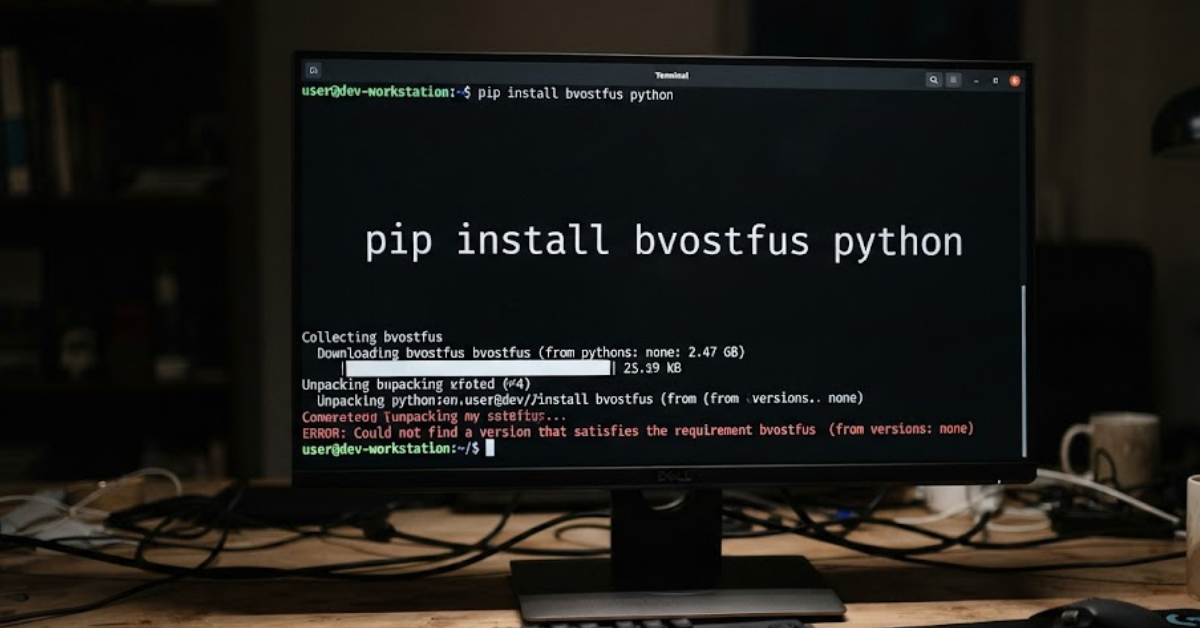
pip install bvostfusor
pip install package-nameReplace the package name with the one provided in your installation documentation.
Method 2: Install from a Local Source Folder
If you received a project directory containing source code:
- Open a terminal.
- Navigate to the project folder.
cd bvostfus- Install the package.
pip install .This command installs the software from the current directory.
Method 3: Install from a Git Repository
If Bvostfus Python is stored in a version control repository, installation may use:
git clone repository-urlThen:
cd repository-name
pip install .
Always replace the repository URL with the one supplied by the software provider.
Creating a Virtual Environment
Using a virtual environment is considered a best practice for Python development because it isolates project dependencies.
Create a virtual environment:
python -m venv venvActivate it.
Windows
venv\Scripts\activatemacOS/Linux
source venv/bin/activateOnce activated, install Bvostfus Python inside the environment.
Installing Required Dependencies
Many Python applications rely on additional libraries.
If the project includes a requirements.txt file, install all dependencies using:
pip install -r requirements.txtThis ensures that every required package is installed automatically.
How to Verify the Installation
After completing the installation, confirm everything works correctly.
Possible verification methods include:
python main.pyor
python -m bvostfusThe exact command depends on how the software is packaged.
If the application starts without errors, the installation was likely successful.
How to Update Software Bvostfus Python
Keeping software updated improves security, performance, and compatibility.
If the software supports pip updates, you may use:
pip install --upgrade package-nameIf the software was installed from source code:
- Download the latest version.
- Replace the previous files.
- Reinstall using:
pip install .Always back up important project files before performing an update.
Common Installation Problems
Even experienced developers occasionally encounter installation issues.
Python Not Found
Error example:
Python is not recognized...Solution:
- Install Python.
- Ensure Python is added to the system PATH.
- Restart the terminal.
Pip Not Installed
If pip is missing:
python -m ensurepip --upgradeThis installs pip for most Python installations.
Missing Dependencies
Dependency errors usually indicate that required libraries are absent.
Run:
pip install -r requirements.txtto install all necessary packages.
Permission Errors
If installation fails because of insufficient permissions:
Windows:
Run Command Prompt as Administrator.
Linux/macOS:
sudo pip install package-nameHowever, using a virtual environment is generally preferred over installing packages system-wide.
Best Practices for Using New Software Bvostfus Python
After successfully installing new software Bvostfus Python, consider these recommendations:
- Use virtual environments for each project.
- Keep Python updated.
- Regularly back up configuration files.
- Update dependencies when appropriate.
- Read release notes before upgrading.
- Test updates in a development environment before deploying to production.
These practices help maintain a stable and secure development workflow.
Benefits of Using Python-Based Software
Python remains one of the world’s most popular programming languages because of its flexibility and simplicity.
Python applications often offer:
- Cross-platform compatibility
- Large developer community
- Extensive library ecosystem
- Fast development cycles
- Easy automation
- Strong support for AI, data science, and web development
If Bvostfus is built on Python, users can typically expect these advantages as part of the overall development experience.
Security Tips During Installation
When installing any software—including install Bvostfus Python packages—follow these security guidelines:
- Download files only from trusted sources.
- Verify file integrity when checksums are provided.
- Avoid running unknown scripts with administrator privileges.
- Scan downloaded files with antivirus software.
- Keep your operating system updated.
These precautions reduce the risk of installing compromised or malicious software.
Frequently Asked Questions (FAQs)
What is Bvostfus Python?
Bvostfus Python appears to be a Python-based software package or application used in specific development environments. Because there is limited public documentation, installation methods depend on the software provider’s instructions.
How do I install Bvostfus Python?
The installation process varies depending on how the software is distributed. It may involve installing from a private package repository, a local project folder, or a Git repository using pip.
Is Bvostfus Python available on PyPI?
At the time of writing, there is no widely recognized public package named “Bvostfus” on the Python Package Index (PyPI). If you’re using it within an organization, consult your internal documentation or repository.
How do I update software Bvostfus Python?
If the package supports pip updates, you can typically upgrade it using the appropriate pip install --upgrade command. Source-based installations usually require downloading the latest version and reinstalling it.
Why is my installation failing?
Common causes include missing Python installations, outdated pip versions, dependency conflicts, incorrect permissions, or incomplete installation files.
Should I use a virtual environment?
Yes. Virtual environments isolate project dependencies, reduce package conflicts, and simplify project management.
Conclusion
Successfully completing an install Bvostfus Python process begins with understanding how the software is distributed and ensuring your development environment is properly configured. Because Bvostfus Python is not a widely documented public package, following the installation instructions provided by the software vendor or your organization is essential for a smooth setup.
Whether you’re installing new software Bvostfus Python for the first time or performing an update software Bvostfus Python, using virtual environments, keeping dependencies current, and following security best practices will help create a stable and reliable development environment. If additional documentation becomes available from the software’s official source, reviewing it alongside this guide will provide the most accurate and up-to-date installation experience.