
Anko Dango Near Me: Your Complete Guide to Finding This Traditional Japanese Sweet
If you’ve recently searched for anko dango near me, you’re not alone. As Japanese cuisine continues to grow in popularity around the world, traditional desserts are becoming just as sought-after as sushi and ramen. Among these delicious treats, anko dango stands out for its simple ingredients, chewy texture, and naturally sweet flavor.
Whether you’re visiting a Japanese bakery, browsing an Asian grocery store, or exploring authentic dessert cafés, this guide explains everything you need to know about finding anko dango near you, what it tastes like, and where you’re most likely to discover this beloved Japanese confection.
What Is Anko Dango?
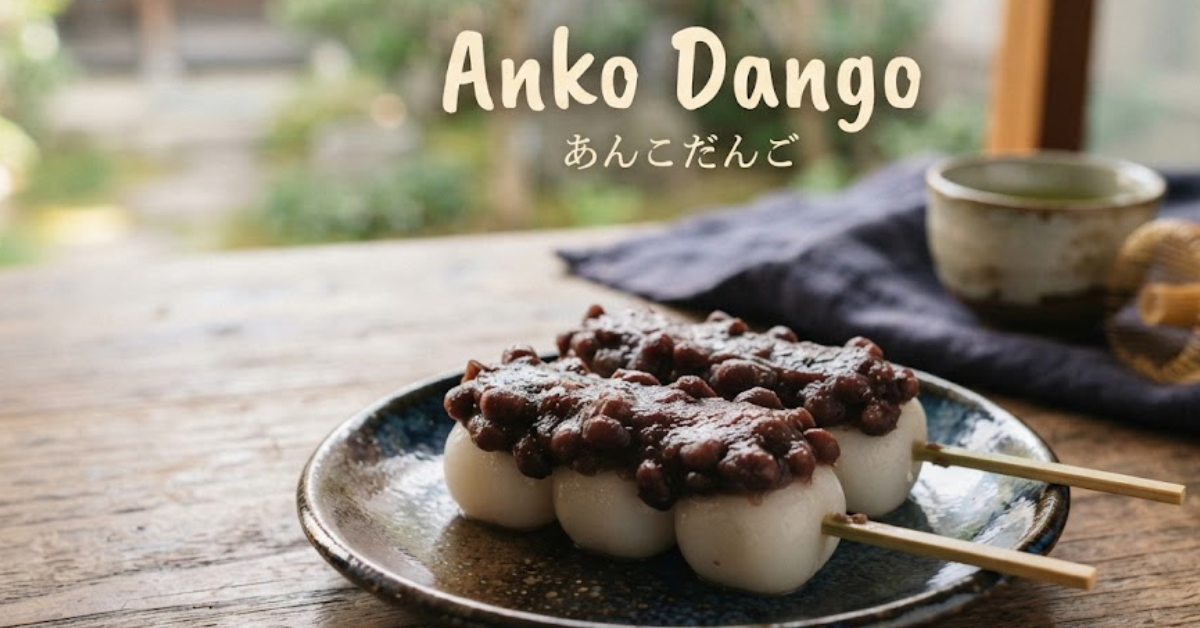
Anko dango is a traditional Japanese dessert made from dango, soft rice flour dumplings, served with anko, a sweet paste made from red azuki beans.
Unlike many Western desserts, anko dango is lightly sweet, allowing the natural flavors of the rice dumplings and bean paste to shine. It has been enjoyed in Japan for centuries and is commonly served during tea ceremonies, festivals, and seasonal celebrations.
What Does Anko Dango Taste Like?
If you’ve never tried it before, expect a unique combination of flavors and textures.
The dango itself is:
- Soft and chewy
- Mild in flavor
- Slightly elastic
- Filling without being heavy
The anko topping adds:
- Gentle sweetness
- Earthy flavor
- Smooth or slightly chunky texture, depending on preparation
Together, they create a balanced dessert that’s comforting rather than overly sugary.
Where Can You Find Anko Dango Near Me?
If you’re searching online for anko dango near me, several places are worth checking.
Japanese Bakeries
Authentic Japanese bakeries are one of the best places to find freshly made anko dango.
Many bakeries prepare seasonal wagashi (traditional Japanese sweets), including dango varieties topped with sweet red bean paste.
Japanese Dessert Cafés
Dessert cafés specializing in Japanese treats often feature:
- Anko dango
- Matcha desserts
- Mochi
- Dorayaki
- Taiyaki
These cafés frequently rotate seasonal menu items, so availability may vary.
Asian Grocery Stores
Many larger Asian supermarkets carry packaged dango in refrigerated or frozen sections.
Look near:
- Frozen desserts
- Japanese snacks
- Refrigerated sweets
- Imported specialty foods
Some stores also receive fresh deliveries from local Japanese bakeries.
Japanese Restaurants
While many Japanese restaurants focus on savory dishes, some also offer traditional desserts.
If the dessert menu includes wagashi or seasonal sweets, there’s a chance you’ll find anko dango.
Online Japanese Food Retailers
If local options are limited, specialty online retailers often sell:
- Frozen dango
- Shelf-stable Japanese sweets
- Sweet red bean paste
- Dango-making kits
These can be a convenient way to enjoy authentic flavors at home.
How to Choose Quality Anko Dango
Not all dango is prepared the same way.
When shopping, look for:
- Soft, moist dumplings
- Fresh-looking red bean paste
- Minimal artificial coloring
- Traditional ingredients
- Recent production dates
Freshly prepared dango generally offers the best texture and flavor.
Popular Types of Dango
Although anko dango is one of the most popular varieties, several others are worth trying.
Mitarashi Dango
Covered with a sweet soy sauce glaze that balances salty and sweet flavors.
Matcha Dango
Made with green tea powder for a subtle earthy taste.
Sanshoku Dango
Three colorful dumplings traditionally enjoyed during spring celebrations.
Kinako Dango
Coated with roasted soybean flour, giving it a nutty flavor.
Trying different varieties is a great way to experience the diversity of Japanese desserts.
Can You Make Anko Dango at Home?
Absolutely. Homemade anko dango requires only a few basic ingredients.
You’ll typically need:
- Glutinous rice flour (or dango flour)
- Water
- Sweet red bean paste (anko)
Basic preparation involves:
- Mixing the flour with water.
- Forming small balls.
- Boiling until they float.
- Cooling briefly.
- Topping with prepared anko.
Many home cooks enjoy making dango because the recipe is relatively simple and doesn’t require baking.
Why Is Anko Dango Becoming More Popular?
Several food trends have contributed to its growing popularity.
These include:
- Increased interest in Japanese culture
- Growth of authentic Asian bakeries
- Social media food trends
- Popularity of matcha desserts
- Interest in less-sweet desserts
- Expansion of Japanese grocery stores worldwide
As more people explore international cuisine, traditional sweets like anko dango continue to gain fans.
Tips for Finding Anko Dango Near You
If your first search doesn’t produce results, try these strategies:
- Search for “Japanese bakery near me.”
- Look for wagashi specialty shops.
- Visit Asian supermarkets.
- Check Japanese café menus online.
- Call local dessert shops before visiting.
- Search for seasonal Japanese festivals, where vendors often sell traditional sweets.
A little research can help you discover authentic options in your area.
Frequently Asked Questions
What is anko dango?
Anko dango is a traditional Japanese dessert consisting of chewy rice flour dumplings topped with sweet red bean paste made from azuki beans.
Where can I find anko dango near me?
Your best options include Japanese bakeries, Japanese dessert cafés, Asian grocery stores, specialty Japanese restaurants, and online Japanese food retailers.
Is anko dango served hot or cold?
It can be served at room temperature, slightly warm, or chilled, depending on the recipe and the season.
Is anko dango gluten-free?
Traditional dango is typically made from rice flour, which is naturally gluten-free. However, always check ingredient labels or ask the seller, as recipes and manufacturing processes can vary.
What is anko made from?
Anko is made by cooking azuki beans with sugar until they become a smooth or chunky sweet paste.
Can I freeze anko dango?
Yes. Many packaged versions are sold frozen and can be thawed before serving according to the manufacturer’s instructions.
Conclusion
Searching for anko dango near me is the first step toward discovering one of Japan’s most cherished traditional desserts. With its chewy rice dumplings and naturally sweet red bean paste, anko dango offers a unique flavor that’s both simple and satisfying. Whether you find it at a local Japanese bakery, an Asian grocery store, a specialty dessert café, or decide to make it at home, this classic wagashi is well worth trying.
As Japanese cuisine continues to grow in popularity around the world, finding authentic anko dango is becoming easier than ever. Explore local shops, sample different varieties, and enjoy a dessert that has delighted generations with its timeless taste and cultural heritage.